
Learning Russian works best with a hybrid method. Learn the Cyrillic alphabet first, build a daily vocabulary habit, pick up grammar cases through real phrases instead of memorizing charts, and start speaking early, even before you feel ready.
Yes, Russian is officially rated a Category IV language by the Foreign Service Institute, meaning it takes more time and effort than Spanish or French. But that reputation scares off more people than it should.
Russian is also spoken by more than 258 million people worldwide. That means huge amounts of media, conversation partners, and learning tools are already out there waiting for you. With a clear roadmap, this language is fully learnable.
How Long Does It Really Take to Learn Russian?
There is a real number behind this question, not just a guess. The Foreign Service Institute (FSI) trains US diplomats in foreign languages and tracks how long that actually takes. Russian sits in Category IV, their “hard language” group, and the estimate is 1,100 class hours to reach professional working proficiency.
For comparison, Spanish and French sit in Category I, at around 600 to 750 hours. So Russian takes roughly twice the effort of the languages most Americans think of as “easy.”
That number only matters once you turn it into calendar time. Here is what 1,100 hours looks like at different daily study levels:
| Daily Study Time | Time to ~1,100 Hours |
| 30 minutes a day | About 6 years |
| 1 hour a day | About 3 years |
| 2 hours a day | About 1.5 years |
These numbers are for full professional proficiency, not casual conversation. You will be able to travel, chat with friends, and read simple texts much sooner than that. Use this table to set a pace that actually fits your life, instead of guessing and getting discouraged later.
Step 1: Master the Cyrillic Alphabet First (Do Not Skip This)
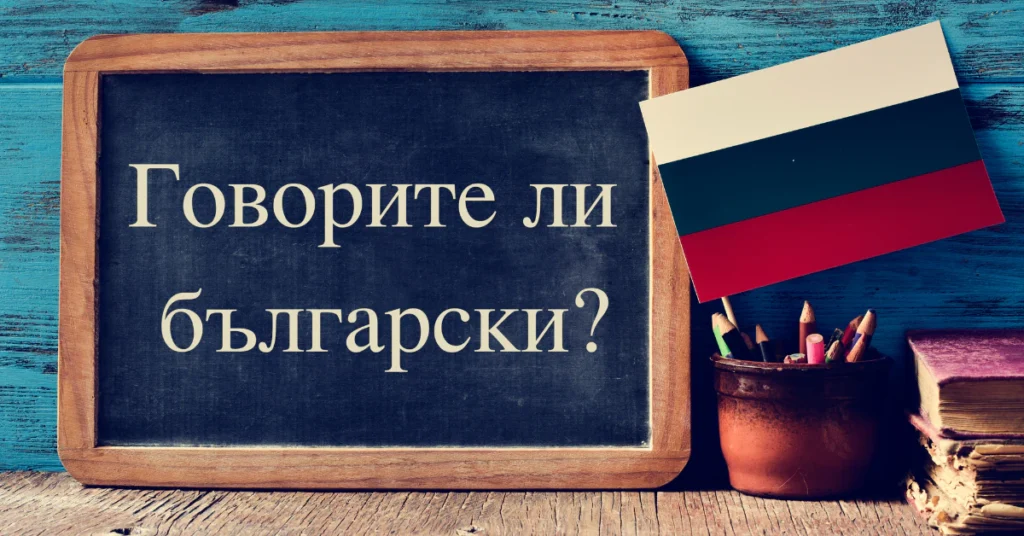
Your very first task is learning the Cyrillic alphabet. It has 33 letters, and the good news is that Russian is highly phonetic. Once you learn the sounds, words are pronounced pretty much how they are spelled.
Here is the trap a lot of beginners fall into. They lean on transliteration, which means spelling Russian words out using English letters instead of Cyrillic. It feels faster at first. It is not.
Transliteration teaches your brain the wrong shapes and often the wrong sounds. Those habits get baked in fast, and unlearning them later is much harder than learning Cyrillic properly from the start.
Skip the shortcuts. Read real Cyrillic text from day one, even if it feels slow at first. This one habit will save you months of frustration down the road.
Step 2: Build a Vocabulary Habit (And How to Beat the Duolingo Plateau)

Apps are a great place to start. If you already have Duolingo on your phone, keep using it. In May 2025, Duolingo used generative AI to roll out a huge wave of new course content, and its bite-sized lessons are genuinely useful for building a daily habit and picking up your first common phrases.
For the first one to three months, an app like this works well. It gets you into the habit of showing up every day, which matters more than almost anything else early on.
But here is something many learners run into. It is sometimes called the Duolingo plateau. Learners get comfortable, keep their streak going, and then hit a wall around the A1 to A2 level. Progress slows way down or stops.
Why does this happen? Gamified apps are built for short, easy wins. That format struggles to teach Russian’s six-case grammar system in depth, and it rarely gives you real speaking practice.
So use apps as a supplement, not your whole plan. Let them handle daily vocabulary reps. Then pair that habit with the grammar and speaking practice covered in the next steps. That combination is what actually moves you past the plateau.
Step 3: Tackle Russian Grammar (Without Losing Your Mind)

Russian grammar looks scary from the outside, but a few of its rules actually make things simpler. There are no articles at all, so you never have to worry about “a” or “the.” That is one less thing to learn compared to English.
Verbs work a bit differently too. Russian verbs carry something called aspect, either perfective or imperfective, which shows whether an action is finished or still in progress. It takes some getting used to, but it is learnable with practice.
The part that trips up most beginners is the case system. Russian has six grammatical cases, and they change the endings of nouns depending on their role in a sentence. This is usually where people panic and reach for a giant chart of endings to memorize.
Do not do that.
Teachers and learners who have actually gone through this process agree: memorizing declension tables rarely works in real conversation. Your brain freezes trying to recall a chart while someone is waiting for you to respond.
Instead, learn cases through whole phrases. For example, learn the genitive case by memorizing a full, useful chunk like “I have” as one piece, not by studying an endings table first. Your brain absorbs the pattern naturally through repetition, and it sticks far better than rote memorization ever does.
Step 4: Add Speaking Practice (Tutors vs. AI Partners)
Speaking is where most learners freeze up. You can know grammar rules and vocabulary cold and still panic the moment a real person expects an answer. The fix is simple: you need low-pressure speaking reps, and you need them early.
One option is a live tutor. Sites like italki and Preply connect you with native Russian speakers for one-on-one lessons online. Prices vary a lot depending on the tutor’s experience. On italki, lessons typically run from about $4 to $80 each. On Preply, prices usually fall between $1 and $45 per lessons. Either way, you can find a tutor that fits almost any budget, and having a real person correct your mistakes speeds up progress a lot.
If a tutor is not in your budget yet, or you just want extra practice between lessons, AI chat tools work surprisingly well as a backup speaking partner. Tools like ChatGPT or Claude are available any time, with zero judgment if you mess up a sentence.
Here is a simple prompt you can copy and paste to get started:
“Act as a beginner Russian tutor. Have a simple conversation with me using only A1 vocabulary, and correct my case endings gently.”
This gives you a patient conversation partner who will slow down to your level and point out mistakes without making you feel embarrassed. It will not replace a real tutor’s feedback on pronunciation, but it is a great way to practice building sentences and using cases in context, especially late at night or between paid lessons.
A smart routine looks like this: use AI chats for daily low-stakes practice, then book a tutor session once a week or every other week to check your progress and fix habits before they set in. This combination keeps practice affordable while still giving you real human feedback where it counts most.
Best Resources to Learn Russian: Free vs. Paid
You do not need to spend a lot of money to learn Russian, but knowing your options helps you build a plan that fits your budget. Here is how free and paid tools stack up across each core skill.
| Skill | Free Option | Paid Option |
| Alphabet | Free Cyrillic charts and practice sheets online | Structured app courses with guided alphabet lessons |
| Vocabulary | Flashcards you make yourself, using spaced repetition | Subscription apps with built in spaced repetition and audio |
| Grammar | Free grammar guides and forum explanations | Structured courses that walk you through cases step by step |
| Listening | Free Russian podcasts, YouTube channels, and shows | Paid listening libraries with transcripts and slowed audio |
| Speaking | Free language exchange partners or AI chat tools | Live tutors on sites like italki or Preply |
A smart approach is to mix and match instead of picking one lane. Use free flashcards for daily vocabulary, since spaced repetition works just as well whether you paid for it or not. Save your money for the things that are genuinely harder to replace for free, like a live tutor who can correct your speaking in real time.
There is no single “best” stack here. The right combination depends on your budget and how much structure you personally need to stay consistent. Start simple, see what sticks, and add paid tools only where free options are not cutting it.
Frequently Asked Questions
Why do some Russian words sound different than they look?
This comes down to word stress. In Russian, the stressed syllable can shift depending on the form of the word, and it is not always predictable. For example, стол (table) becomes столы (tables), and the stress moves to a different syllable. To make it trickier, regular Russian text does not include stress marks, so you will not see this coming on the page. The fix is simple: listen to native audio alongside your reading, and let your ear pick up the patterns over time.
How do I avoid accidentally being rude?
Russian has two ways to say “you,” and picking the wrong one can come across as disrespectful. Ты is informal, used with friends, family, and people your own age that you know well. Вы is formal, used with strangers, older people, teachers, and anyone in a professional setting. When in doubt, start with вы. Native speakers will usually tell you when it is fine to switch to ты.
Do I really need to learn all six cases before I can speak?
No. You can start speaking with basic phrases long before you have every case memorized. Cases will click over time as you hear and use them in context, so do not let grammar perfection hold back your first conversations.
Is 1,100 hours a hard deadline?
No, that number reflects full professional fluency. You will hold simple conversations and read basic Russian well before you hit that total.
Conclusion
Russian is hard, but it is not mysterious. Learn Cyrillic first, build a daily vocabulary habit, absorb cases through real phrases, and start speaking early even when it feels uncomfortable. Mix free and paid tools based on your budget, and give yourself a realistic timeline instead of a vague one. Follow this roadmap consistently, and steady progress will follow.