
I still remember swatting at gnats over my kitchen sink every single morning. It felt like they multiplied overnight. If you want the fastest fix right now, here it is: mix equal parts apple cider vinegar and water with a drop of dish soap in a small bowl for kitchen gnats, or pour a diluted hydrogen peroxide solution into your houseplant soil if the bugs are coming from your pots. Both work within a day or two.
I spent weeks dealing with these pests in my own kitchen before I figured out the right trick. At first, I tried random sprays from the store. Nothing worked because I didn’t know what type of gnat I actually had. That’s the real secret to learning how to get rid of gnats for good. Fruit flies and fungus gnats need completely different treatments, even though they look similar buzzing around your face.
Once I identified my problem as fungus gnats living in my plant soil, everything changed. I stopped wasting money on the wrong products. In this guide, I’ll walk you through exactly what worked for me, backed by real pest control science. You’ll learn how to tell the two bugs apart, kill them fast, and stop them from coming back.
Know Your Enemy: Which Gnat Do You Actually Have?
Here’s the mistake I made for weeks. I kept setting vinegar traps and wondering why nothing changed. Turns out I had the wrong bug the whole time. Most people lump all tiny flying bugs into one group called “gnats.” But there are actually three different pests hiding under that name, and each one needs its own fix.
| Bug Name | Where They Live | What They Look Like |
| Fruit Flies | Ripe or rotting fruit, trash cans, sugary spills | Tan or brown body, often with red eyes, oval shape |
| Fungus Gnats | Damp potting soil in houseplants | Dark gray or black, thin body, look like tiny mosquitoes |
| Drain Flies | Slimy buildup inside sink and shower drains | Fuzzy, moth-shaped wings, gray or tan color |
Fruit flies show up because something sweet is rotting nearby. Check your fruit bowl, your trash can, and even empty soda cans. They love sugar and fermentation. This is the bug that vinegar traps were actually built for.
Fungus gnats are a totally different story. These bugs breed in wet potting soil, not in your fruit bowl. If you’ve noticed more gnats in houseplants lately, especially after watering, this is almost always your culprit. They lay eggs in damp soil, and the larvae feed on fungus and plant roots underground.
Drain flies are the one people mix up the most. When comparing drain flies vs gnats, look at the wings first. Drain flies have fuzzy, rounded wings that look almost like tiny moths. Fungus gnats have clear, thin wings and long legs instead.
Here’s the part that trips everyone up. Vinegar traps will not work on fungus gnats. Fungus gnats aren’t attracted to fermenting sugar the way fruit flies are. So if your gnats are hovering around your plants and not your fruit bowl, skip the vinegar bowl entirely. You need a soil treatment instead, which I’ll cover next.
How to Get Rid of Gnats Fast (Proven Methods)

Once you know which bug you have, the fix is simple. Here are the four methods that actually worked for me, broken down by bug type.
The Famous Apple Cider Vinegar Trap (For Fruit Flies)
This is the classic home remedy for gnats, and it works fast. But only for fruit flies. The vinegar smell mimics rotting fruit, which pulls the flies straight in.
Here’s my exact recipe:
- Fill a small bowl or jar with apple cider vinegar, about half an inch deep.
- Add three to four drops of dish soap and stir gently.
- Leave it uncovered near your fruit bowl or trash can overnight.
The dish soap isn’t optional. It breaks the surface tension of the vinegar. Without it, the flies can land on top and fly right back off. With soap added, they sink the moment they touch the liquid. I set two or three of these traps around my kitchen counter and saw dead flies in the bowl by the next morning.
The Hydrogen Peroxide Soil Drench (For Fungus Gnats)
If your gnats are breeding in houseplant soil, skip the vinegar. This is how to get rid of fungus gnats at the source, meaning the larvae living underground.
Mix one part regular 3% hydrogen peroxide with four parts water. Pour this mix into the soil until it’s fully soaked through. You’ll hear a light fizzing sound. That’s normal. The peroxide kills larvae on contact, then breaks down into water and oxygen, which actually helps your plant’s roots.
I water my plants with this mix once, then let the soil dry out fully before the next watering. Fungus gnats need constant moisture to survive, so drying out the topsoil between waterings makes it much harder for new eggs to hatch.
Yellow Sticky Traps
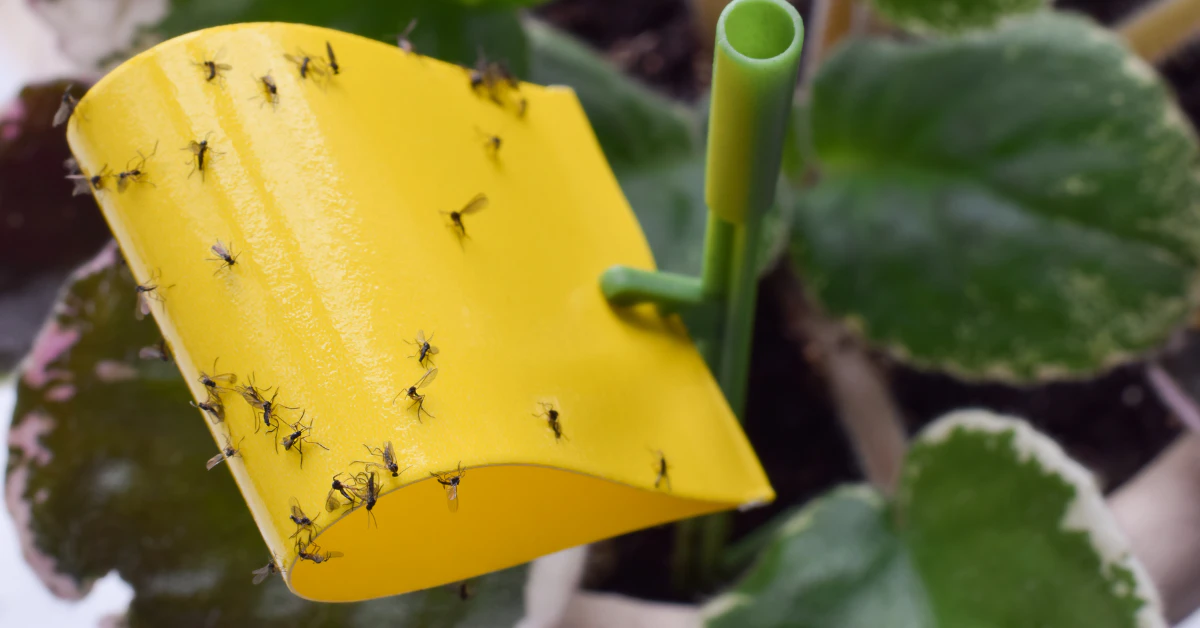
Adult gnats are drawn to the color yellow. It’s a visual trigger left over from their instinct to find flowering plants. Sticky traps use this against them.
Stick a few small yellow cards directly into your plant pots or lay them near your kitchen window. The adults fly toward the color, get stuck, and never make it back to lay more eggs. I like using these alongside the peroxide drench, since the drench kills the larvae while the traps catch any adults still flying around.
BTI (Bacillus thuringiensis israelensis)
For a longer-term fix, I switched to BTI. It’s sold in stores as Mosquito Bits. BTI is a naturally occurring bacterium found in soil. It targets the digestive system of gnat larvae specifically, so it won’t harm your plants, your pets, or you.
To use it, soak a scoop of Mosquito Bits in water overnight, then water your plant with that mix. It’s one of the safest options out there because it only affects certain larvae, not people or animals. The EPA has confirmed BTI is safe for this kind of targeted use, which is worth reading if you want the full science behind it.
Between these four methods, you’re covering both the adult bugs flying around your kitchen and the larvae hiding in your soil. That combination is what finally ended my gnat problem for good.
3 Hidden Places Gnats Might Be Breeding In Your Home
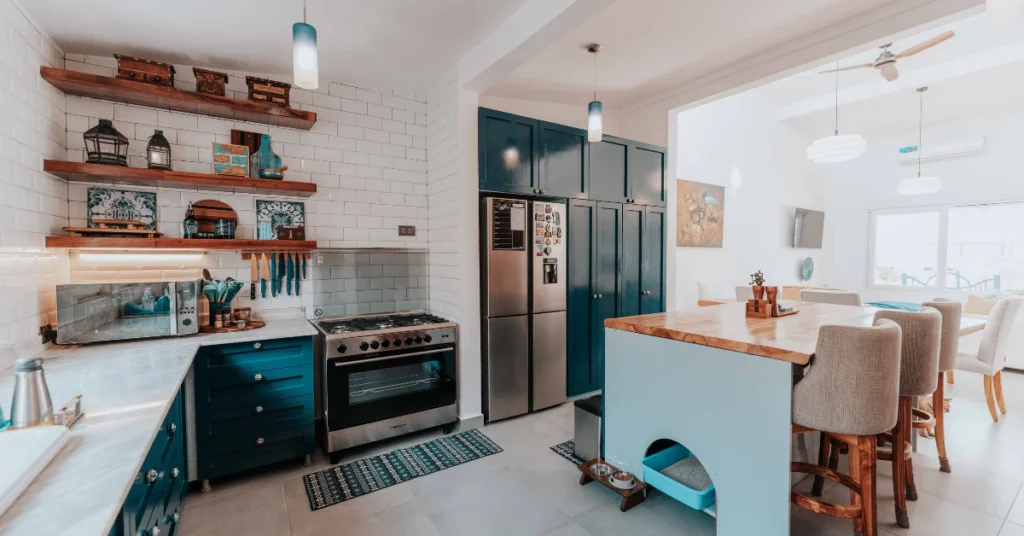
I checked my plants, my fruit bowl, and my drains. Still had gnats. Turns out I was missing a few sneaky spots that most people never think to check.
Your fridge’s drip tray. Most refrigerators have a small tray underneath that catches condensation. It stays damp and dark back there, which is basically a five-star hotel for gnats. Pull it out every couple months and give it a good scrub.
Your garbage disposal flap. Food bits get stuck on the rubber flap inside your disposal all the time. It sits there rotting, and you’d never know unless you looked. Lift the flap and clean underneath it with an old toothbrush and soapy water.
Damp mops left in buckets. A wet mop sitting in a bucket overnight is a breeding ground waiting to happen. Always wring mops out fully and hang them up to dry instead of leaving them soaking.
How to Stop Gnats From Coming Back
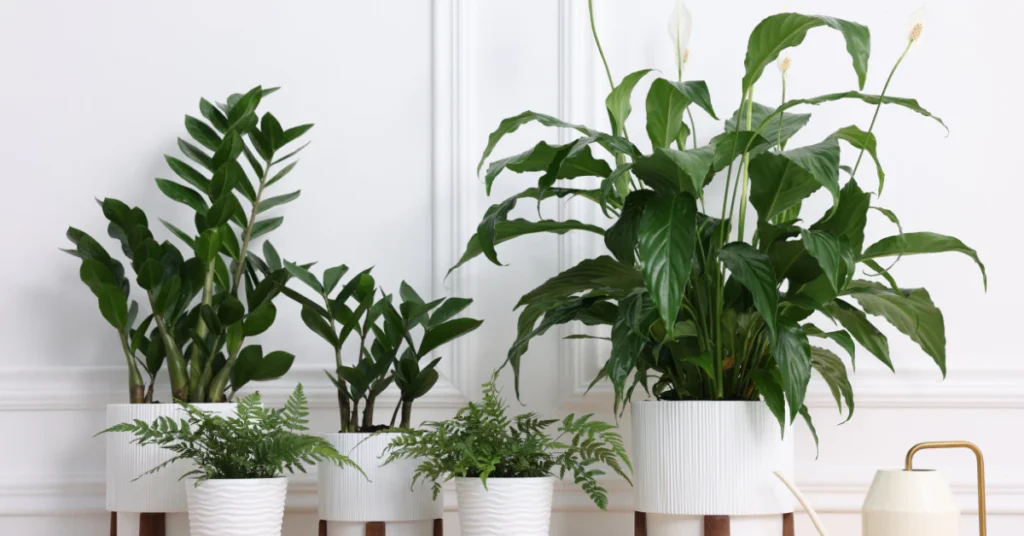
Killing the gnats you have is only half the job. The real win is making your home a place where new ones never want to move in. These small habits take almost no extra time once they become routine.
Ease up on watering your plants.
Overwatering is the number one cause of fungus gnats in houseplants. Wet soil is exactly what they need to lay eggs. Before you water again, stick your finger about two inches into the soil. If it still feels damp, wait a few more days. Dry topsoil is not a comfortable place for gnat eggs to survive.
Wash your fruit the moment you get home.
Fruit flies often hitch a ride on produce from the grocery store. Their eggs can already be on the skin before you even unpack your bags. Rinse fruit under cool water right away, then dry it and store it in the fridge when you can. This one habit alone cut my fruit fly problem in half.
Keep your drains clean.
Drain flies love the slimy film that builds up inside sink and shower drains. Once a week, scrub your drains with a bottle brush or pour boiling water down them. A baking soda and vinegar flush works well too. It breaks down the gunk they need to breed in.
Take the trash out often.
A full trash can is basically a gnat buffet. Empty your kitchen trash every day or two, especially if it has food scraps inside. Rinse out the bin occasionally as well. Old food residue at the bottom can attract bugs even after the bag is gone.
Give your plant pots time to breathe.
Pots with poor drainage stay wet longer than they should. If your planter doesn’t have a drainage hole, consider switching it out. Better drainage means drier soil, and drier soil means far fewer gnats.
None of these tips take much effort. Once they become part of your normal routine, you’ll notice fewer bugs and a lot less frustration.
Frequently Asked Questions
Does bleach kill gnats in drains?
Yes, bleach can kill gnats in your drains. But it’s not the best choice for your plumbing. Bleach is harsh and can damage pipes over time, especially older ones. A safer option is an enzyme cleaner made for drains, or a simple mix of baking soda and vinegar followed by hot water. Both break down the organic gunk gnats breed in without the harsh chemical risk.
How long does it take to get rid of a gnat infestation?
Most infestations clear up within one to two weeks if you treat both the adults and the larvae. Traps handle the flying bugs fast, often within a day or two. But the larvae hiding in soil or drains take a bit longer to fully die off. Staying consistent with treatment for at least ten days gives you the best shot at breaking their breeding cycle completely.
What scent do gnats hate?
Gnats strongly dislike peppermint and eucalyptus. A few drops of either essential oil mixed with water in a spray bottle works as a natural deterrent around windows, plants, and counters. It won’t kill an existing infestation, but it helps keep new gnats from settling in once your problem is under control.
Final Thoughts
Gnats are annoying, but they’re not unbeatable. Once you know which bug you’re dealing with and match it to the right fix, the whole problem gets a lot less overwhelming. I went from swatting bugs every morning to barely thinking about them anymore, and that shift came down to a few simple changes in how I water my plants and store my food.
Your kitchen and your plants can be gnat-free again. Stick with these steps, stay consistent for a couple weeks, and you’ll get your space back.